
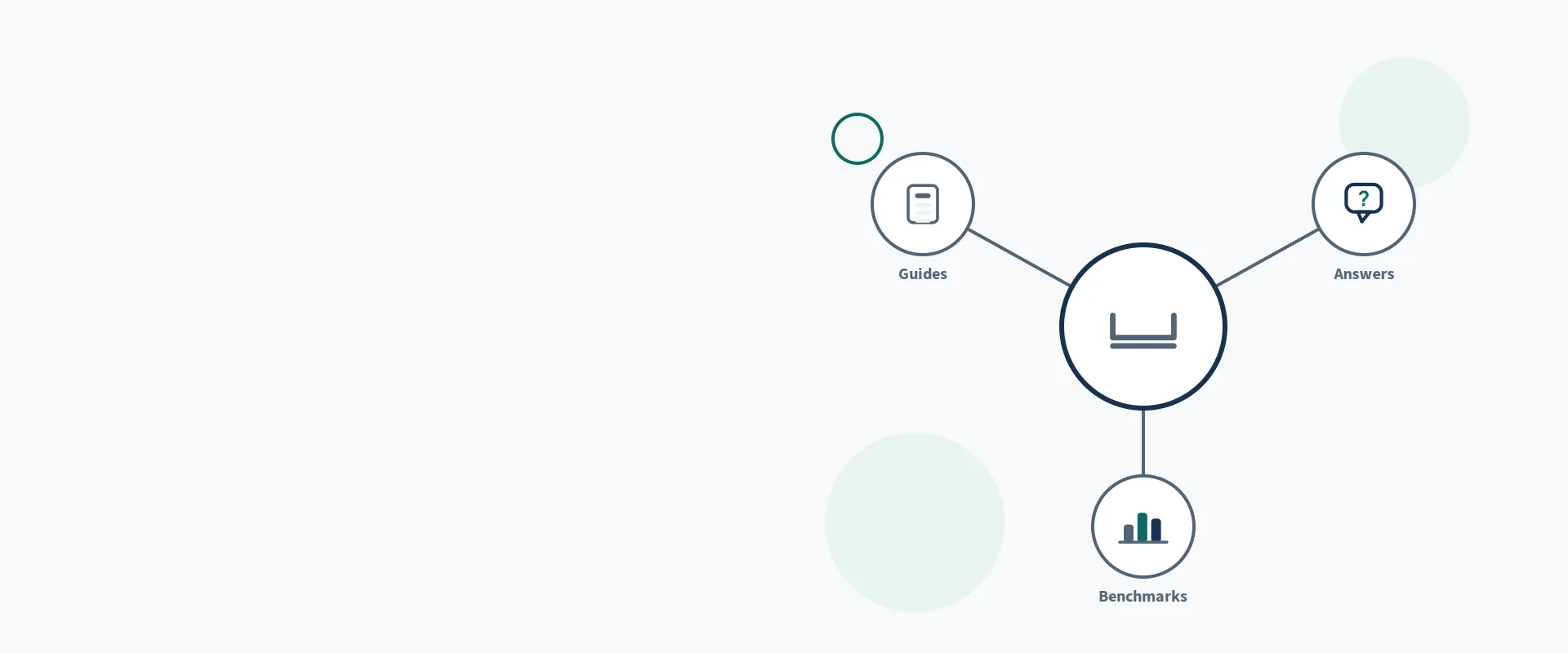
Medical Billing Services Group (MBSG) publishes plain-English resources to help US practices understand their own revenue cycle — whether or not you ever hire us. No jargon without a definition, no advice without a source, and no claims we cannot back up.
Want these concepts applied to your own claims? Contact us and we will walk through them with your data.
Available now
Guides
- Medical billing glossary: definitions for the terms that actually come up in billing conversations — A/R, clean claim rate, denial codes, NCCI edits, and more — written for practice owners and managers, not coders.
- NAICS code for medical billing: which NAICS code fits a billing operation and where it gets used.
- Ambulatory services in medical billing: how outpatient and ambulatory encounters flow from visit to paid claim.
- Incident-to billing: the supervision and employment rules that make incident-to billing legitimate.
- Incidental vs incident-to billing: two similar-sounding concepts with very different compliance rules.
- Bundled vs unbundled billing: what NCCI bundling means and why unbundling draws payer attention.
Costs and contracts
- Medical billing percentage of collections: the denominator problem in billing fees, with a clearly hypothetical worked example.
- Medical billing cost comparison: how to normalize competing quotes to the same denominator before deciding.
- Medical billing contract fees: the fee and term clauses to read before signing a billing contract.
- Setting medical billing service rates: how sustainable billing rates get set — and reviewed.
- In-house vs outsourced medical billing: a factors comparison, not a verdict — cost it both ways with your own numbers.
- How to choose a medical billing company: references, contract terms, and the questions that reveal fit.
Audits and checklists
- Medical billing audit checklist: scope, sample, policy testing, and severity-rated reporting.
- Medical coding audit checklist: sampling, documentation support, and feeding findings back to coders.
- Medical billing transition checklist: switching billing vendors without a coverage gap.
- Eligibility verification checklist: what to verify before the date of service — and how to document it.
- Credentialing vs payer enrollment: the difference, the sequence, and what to track.
Denials, payments, and follow-up
- Medical billing time limits: timely filing and appeal windows — why the clock matters more than most practices think.
- Claim rejection vs denial: rejections never reached adjudication; denials did. Fix each correctly.
- Medical billing denial prevention: measuring denial rate by cause and fixing upstream.
- Medical billing payment posting: accurate posting, daily reconciliation, and underpayment detection.
- Insurance underpayment recovery: detecting allowed-vs-contracted gaps and appealing systematically.
Systems and operations
- Medical billing clearinghouse: what a clearinghouse does and how to run the connectivity well.
- EHR vs practice management vs clearinghouse: the three systems’ roles and where handoffs break.
- Medical billing software selection: requirements first, demos with your own data, total cost decided.
- Small practice billing workflow: a weekly cadence that fits a small team.
- Group practice billing controls: standardize, segregate duties, audit internally.
- Behavioral health billing documentation: medical necessity, time capture, and self-audit.
- Medical billing RCM metrics: the few metrics that cover most of revenue cycle health.
- Medical billing BAA security checklist: business associate agreement readiness, step by step.
- Prior authorization vs eligibility: both must be clean before the claim goes out — in the right order.
All resources cite their sources with payer, jurisdiction, and publication or effective date — for example, current CMS code sets via the CMS NCCI Medicare Policy Manual (https://www.cms.gov/medicare/coding-billing/national-correct-coding-initiative-ncci-edits/medicare-ncci-policy-manual) and FY2027 ICD-10-CM codes effective October 1, 2026 (https://www.cms.gov/medicare/coding-billing/icd-10-codes); last reviewed 2026-10-08. General educational information, not legal advice or a guarantee of reimbursement. Requirements vary by payer, plan, setting, and date of service.
Suggestions for topics? Contact us — we write what practices actually ask about.
Get a Free Billing Audit — the fastest way to turn these concepts into findings about your own practice.
FAQs
Are these resources really free?
Yes. They are educational material we publish for the industry. No paywall, no email gate on the glossary.
Is this legal or reimbursement advice?
No. These are general educational resources. Requirements vary by payer, plan, setting, and date of service — always verify against your payer contracts and current CMS guidance.
How often are resources updated?
When the underlying rules change. Regulatory references carry their publication or effective dates so you can judge currency yourself.
Can I share these with my team?
Yes — they are written for practice owners, managers, and billing staff alike.
Learn your revenue cycle, then measure it
Get a Free Billing Audit or contact MBSG to apply these concepts to your own claims data.