
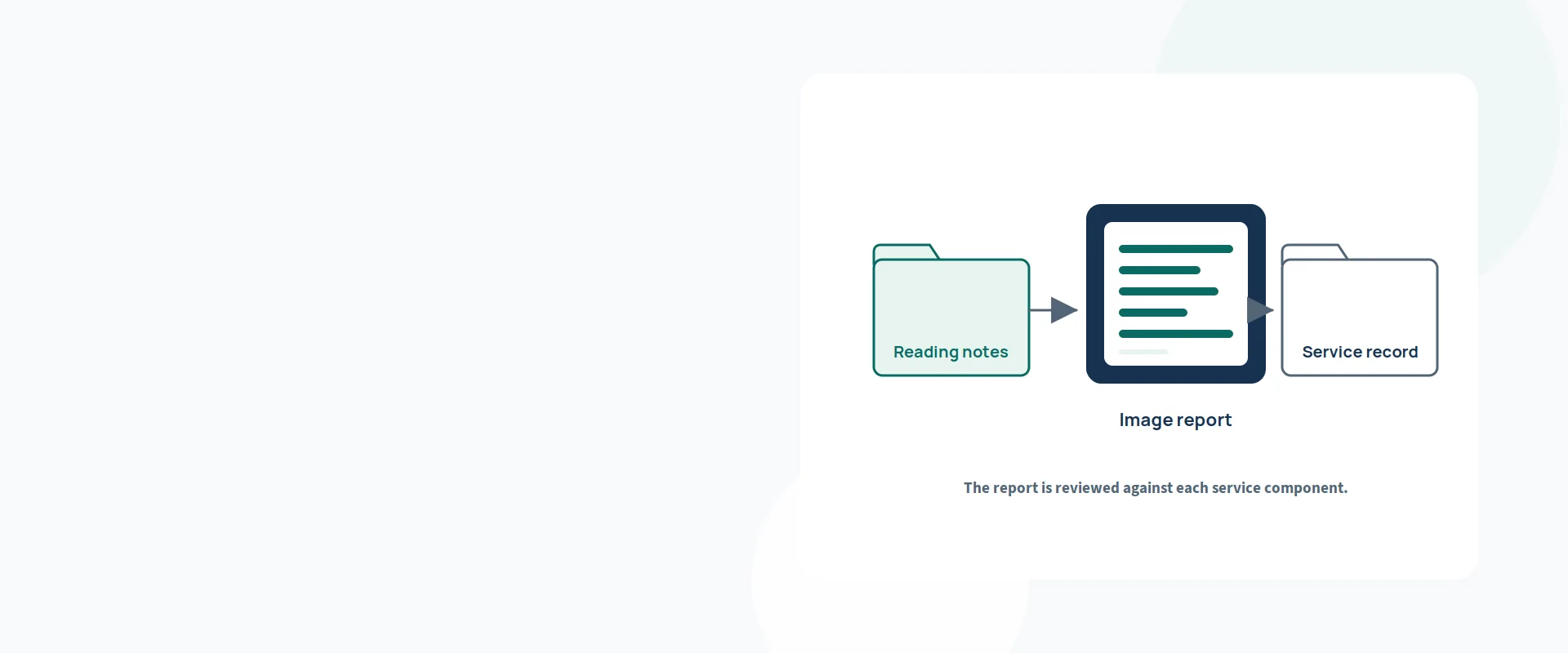
Radiology billing services from Medical Billing Services Group (MBSG) cover diagnostic imaging: professional/technical/global component decisions, contrast and supervision coding, multiple-procedure payment reductions, and denial recovery across Medicare, Medicaid, and commercial payers.
Component splits, contrast coding, or multiple-imaging reductions costing you? Get a Free Billing Audit — we review your imaging claims for bundling losses and split errors.
Practice and setting fit
Radiology revenue is shaped by who did what, where: the radiologist interpreting remotely, the imaging center or hospital owning the equipment, the technologist performing the study. Each study generates a component decision — global, professional-only (26), or technical-only (TC) — and getting it wrong means either billing for work you did not furnish or leaving your own work unbilled. Teleradiology groups, outpatient imaging centers, and hospital radiology departments share the same exposure: high-volume studies where a systematic component or modifier error repeats daily.
MBSG supports all specialties we serve from one revenue cycle team. Radiology work concentrates on the component logic of every study and on the NCCI edits that govern which imaging codes can be reported together. Remote delivery covers your sites and reading locations in all 50 states from one billing operation.
Documentation and coding risks
Radiology claims fail on component errors, contrast coding, and same-session bundling. The examples below come from public CMS sources — described in our own words, reviewed against the source text on 2026-10-08.
Component billing: global, 26, or TC (CMS)
The entity that furnishes both the professional interpretation and the technical performance bills the global service. When the radiologist and the facility are different entities, the radiologist bills the professional component (modifier 26) and the facility bills the technical component (modifier TC) — and neither bills globally. The most expensive error is double billing: both entities reporting the global. The second is the missing modifier: a professional-component claim without modifier 26 reads as a global claim to the payer. Our medical coding services verify the component against the actual rendering arrangement for every study type before submission.
- Payer/program: Medicare (Physician Fee Schedule)
- Jurisdiction: US (national)
- Source title: CMS guidance on imaging component billing
- Publication date: standing CMS guidance
- Effective date: current
- Last reviewed 2026-10-08
Contrast administration and supervision (CMS)
Contrast-enhanced studies have their own coding: the contrast material, its administration, and the imaging itself are coded according to the specific study, and supervision requirements vary by modality and setting. A common failure is billing contrast administration without the required supervision documentation, or reporting contrast codes for studies where the payer bundles the contrast into the base imaging code. NCCI procedure-to-procedure edits identify the combinations payers will not pay separately. The order must also support medical necessity for the contrast study — diagnosis coding should reflect the FY 2027 ICD-10-CM update (effective October 1, 2026 through September 30, 2027).
- Payer/program: Medicare (Physician Fee Schedule)
- Jurisdiction: US (national)
- Source title: NCCI Policy Manual guidance on imaging and contrast coding
- Publication date: standing CMS guidance
- Effective date: current
- Last reviewed 2026-10-08
Multiple imaging procedures, same session (CMS)
When multiple imaging procedures are furnished in the same session, Medicare applies multiple-procedure payment reductions to the technical component of the subsequent procedures — the professional interpretation is generally unaffected. Practices lose revenue two ways: failing to account for the reduction in projections (and then disputing correctly reduced payments), or unbundling studies that NCCI edits treat as a single service. Screening programs add their own rules — for example, lung cancer screening has specific HCPCS coding and eligibility documentation requirements that differ from diagnostic chest CT.
- Payer/program: Medicare (Physician Fee Schedule)
- Jurisdiction: US (national)
- Source title: CMS multiple-procedure payment reduction and NCCI imaging guidance
- Publication date: standing CMS guidance
- Effective date: current
- Last reviewed 2026-10-08
Component or bundling denials on imaging claims? Get a Free Billing Audit — our billing audit process lists each finding with the claim, the rule, and the correction.
Payer and authorization checks
Imaging is one of the most prior-authorized service categories in commercial insurance: advanced imaging (CT, MRI, PET) routinely requires authorization, and the authorization must match the ordered study — a denied authorization for the wrong CPT code does not become payable on appeal. Medicare Advantage plans layer their own authorization vendors and rules on top of Medicare coverage. Verify authorization requirements and component expectations per payer before the study, not after the denial. Our denial management workflow separates authorization denials from coding denials so each gets the right fix.
Workflow and reporting
A radiology workflow confirms the component (global/26/TC) against the rendering arrangement for every study type, checks contrast coding against supervision documentation, screens same-session code combinations against NCCI edits, verifies prior authorization matches the ordered CPT before the claim goes out, and keeps diagnosis coding current with the FY 2027 ICD-10-CM update. Teleradiology reads get place-of-service and rendering-location review so the professional claim carries the right details. Monthly reporting is built from your actual data; illustrative examples: denial rate by reason code, component-error flag rate, authorization denial rate, days in AR, net collection rate by modality. Plain-English background on denials and coding basics is in our billing resources.
Onboarding and pricing factors
We do not publish flat rates — radiology billing cost depends on study volume and modality mix, not just radiologist count. Honest quote factors: monthly study volume, modalities performed, global vs. professional-only mix, teleradiology vs. on-site reading, your RIS/PACS and practice-management system, whether coding is included, and existing AR backlog. Pricing model, minimum fees, turnaround times, and staff credentials are scoped in your written proposal — contact us for terms tailored to your practice. We work inside your existing systems; compatibility is confirmed during onboarding. Data is handled under our HIPAA safeguards and business associate agreement. States served: all 50 states. See our pricing page, or contact us at +1 (307) 396-4107 or contact@medicalbillingservicesgroup.com for a scoped quote.
FAQs
When do we bill globally vs. with modifier 26?
Bill globally only when your entity furnishes both the interpretation and the technical performance. If the radiologist and facility are separate entities, the radiologist bills modifier 26 and the facility bills modifier TC. Never both globally.
Why was our contrast administration denied?
Common reasons: missing supervision documentation, the payer bundling contrast into the base imaging code, or NCCI edits prohibiting the combination. The order’s diagnosis must also support medical necessity for the contrast study.
How do multiple-procedure reductions work in imaging?
Medicare reduces payment on the technical component of subsequent imaging procedures in the same session; the professional component is generally unaffected. Do not confuse a correct reduction with an underpayment — and do not unbundle studies NCCI treats as one service.
Do we need prior authorization for every MRI?
For most commercial payers, yes for advanced imaging — and the authorization must match the ordered CPT code. Medicare Advantage plans add their own authorization vendors. Verify before the study.
How does MBSG price radiology billing?
By scope: study volume, modality mix, global vs. professional-only share, reading model, systems, and whether coding and AR follow-up are included. No invented rates — your quote uses your numbers. See our pricing page.
Medical Billing Services Group (MBSG) — Medical Billing & Revenue Cycle Management. Get a Free Billing Audit and see exactly where your radiology revenue is leaking, claim by claim.
General educational information, not legal advice or a guarantee of reimbursement. Requirements vary by payer, plan, setting and date of service. CPT is a registered trademark of the American Medical Association.