
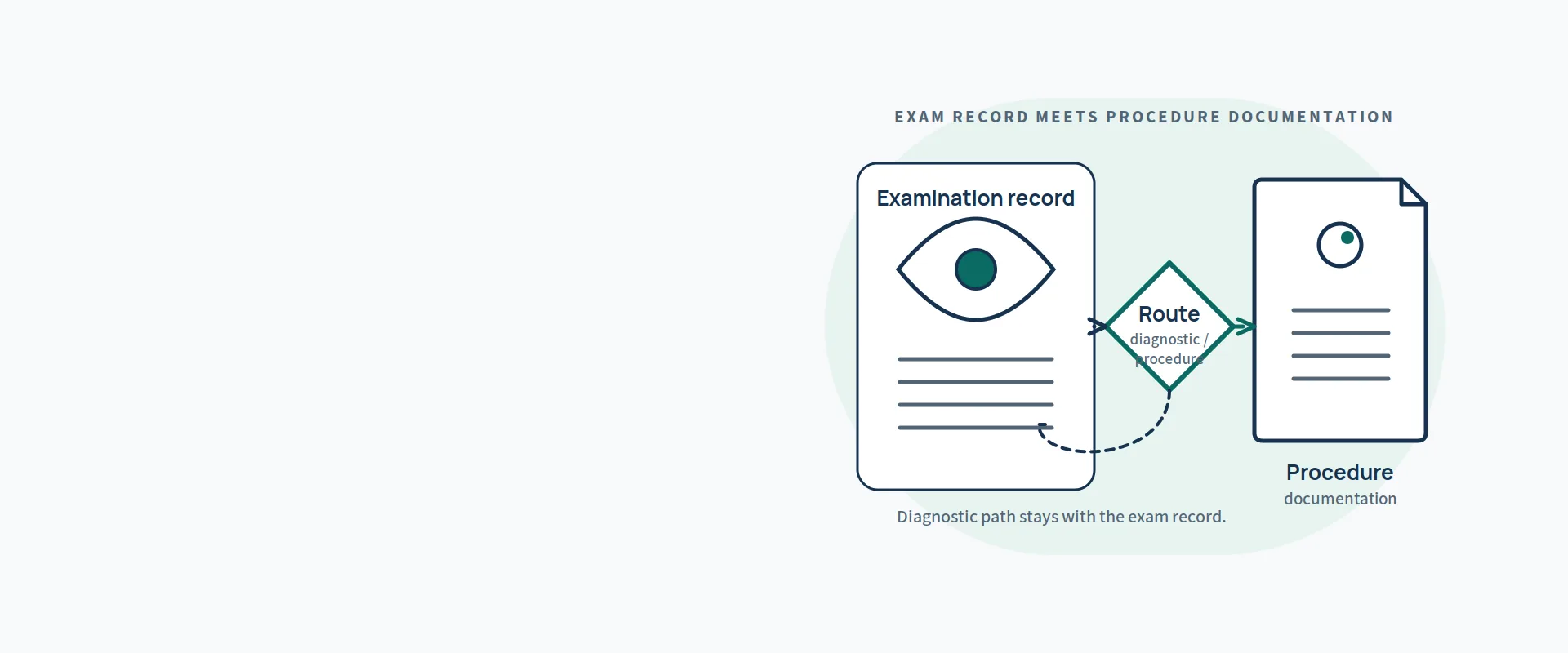
Ophthalmology billing services from Medical Billing Services Group (MBSG) cover comprehensive eye care, cataract and refractive surgery, glaucoma management, retina services, and oculoplastics. We handle the eye-code versus E/M choice, bilateral procedure rules, prior authorizations, and payer medical-necessity policies, so your practice captures the full value of every exam and procedure.
Cataract and injection denials eating your margins? Get a Free Billing Audit — we will review your ophthalmology claims and pinpoint exactly where revenue is leaking.
Practice/setting fit
Our ophthalmology billing services fit comprehensive ophthalmology practices, cataract surgery centers, retina groups, glaucoma practices, and multi-subspecialty eye centers. Ophthalmology billing has a split personality: routine and medical eye care on one side, high-value surgical procedures on the other — and the two sides follow different coding logics, different authorization rules, and different payer scrutiny.
What makes ophthalmology billing hard is the series of either/or decisions embedded in every encounter. Eye examination codes (92002–92014) versus office/outpatient E/M codes (99202–99215) — the choice depends on the nature of the visit and must be consistent with documentation. Bilateral procedures have their own reporting conventions. Intravitreal injections pair a procedure with high-cost drugs that need their own documentation and, often, their own authorization. And cataract surgery sits under payer medical-necessity policies that vary by Medicare Administrative Contractor and commercial plan.
We manage the full revenue cycle for ophthalmology: benefits verification with refraction and surgical pre-checks, coding that respects procedure-to-procedure edits and bilateral rules, drug-and-procedure coordination for injections, daily claim submission, payment posting with contractual adjustments, and denial follow-up that goes back to the operative or exam note. Our coding team reviews ophthalmology documentation against published edit rules before claims go out, and our broader specialty billing programs cover your other service lines.
Documentation and coding risks
Ophthalmology documentation fails in predictable places, and each one maps to a denial category:
Eye codes versus E/M. Ophthalmology has its own examination codes (92002–92014 for new and established patients) alongside standard E/M codes, and the visit must be reported with the code set that matches the service documented. Mixing the two for the same encounter, or defaulting to one set regardless of what was performed, creates denials and audit risk. We select the code set the documentation supports.
Refraction billed to Medicare. Refraction (92015) is statutorily excluded from Medicare coverage — it is the patient’s responsibility, full stop. Billing it to Medicare as a covered service is a compliance error, not a denial strategy. We keep refraction on the patient-responsibility path with upfront communication.
Cataract surgery documentation. Cataract extraction with IOL placement is among the most-scrutinized procedures in ophthalmology billing. Payers — including Medicare contractors under their local coverage policies — require documented visual impairment and functional limitation meeting their criteria. “Patient wants better vision” without qualifying findings doesn’t meet medical necessity. We verify the record supports the payer’s criteria before the claim goes out. (Coding references last reviewed 2026-10-08; NCCI edit versions change quarterly and LCDs update periodically — verify against the current editions.)
Bilateral procedure rules. Procedures performed on both eyes follow payer-specific bilateral reporting conventions — some payers want a single line with a bilateral modifier, others want two lines with anatomical modifiers. Getting the convention wrong for the payer means half the payment or a denial. We apply each payer’s rule.
Injection drug-and-procedure pairing. Intravitreal injections combine the procedure with the drug (anti-VEGF agents and others), each with documentation requirements — drug name, dosage, lot, administration details — and many payers require prior authorization for the drug, the procedure, or both. We coordinate the pair so neither half denies.
Bundling within the global period. Cataract and other ophthalmic surgeries carry global periods during which related follow-up care bundles into the surgical payment. Reporting separately identifiable E/M during the global period requires the right modifier and genuinely distinct documentation. We check every global-period encounter.
Payer and authorization checks
Medicare’s ophthalmology rules — including NCCI edit policies and local coverage determinations for cataract surgery — do not automatically apply to Medicaid or commercial plans. Each Medicare Administrative Contractor publishes its own cataract LCD with its own medical-necessity criteria, and commercial payers run their own prior authorization programs for cataract surgery, YAG capsulotomy, intravitreal drugs, and oculoplastic procedures. We check the rules for each payer on your panel instead of assuming one policy governs everywhere.
Prior authorization is a major front line in ophthalmology: cataract surgery, injections, advanced imaging (OCT, visual fields), and oculoplastic procedures routinely require it. We verify authorization before scheduled procedures, submit the clinical documentation each payer asks for — acuity measurements, functional impairment, prior treatment — and track the request to a written determination. We also track authorization expirations so a delayed surgery doesn’t become an uncovered one.
Workflow and reporting
Ophthalmology revenue lives in the exam and operative notes, so our workflow starts there. We reconcile the surgical schedule and clinic encounters against completed documentation, code from the full record (exam elements, surgical details, drug administration), verify bilateral conventions and global-period status, check refraction handling, scrub claims against payer-specific edit sets, submit daily, post payments, and work denials through our structured denial management process.
Reporting makes the pattern visible. Illustrative examples of what our reports show: a weekly denial snapshot grouped by root cause (bundling edits, medical necessity, authorization, bilateral errors), cataract case revenue by surgeon, and clean-claim rate by location. These are illustrative examples, not guarantees — results depend on payer mix, documentation quality, and case mix. But you will always see where revenue stands and what we are doing about it.
Onboarding and pricing factors
Onboarding starts with the free billing audit — a real review of recent claims across your clinic, surgical, and injection lines, not a sales call. Implementation then covers payer enrollment verification, clearinghouse and EHR connections, surgical scheduling charge-capture mapping, drug inventory billing coordination for injections, and a coding review of your highest-volume procedures. Factors that shape a quote: monthly encounter and surgical volume, subspecialty mix (cataract, retina, glaucoma, oculoplastics), injection program size, payer mix, and whether you need full revenue cycle or billing only.
We do not publish one-size-fits-all rates because they would be meaningless at this complexity. Pricing, minimum fees, and turnaround are quoted and scoped in your written proposal after we review your volume and payer mix. We work inside your existing systems, and compatibility is confirmed during onboarding. Data is handled under our HIPAA safeguards and business associate agreement. We serve practices in all 50 states — call +1 (307) 396-4107 or email contact@medicalbillingservicesgroup.com, or review transparent pricing details.
FAQs and dated sources
Should we use eye codes or E/M codes?
It depends on the visit. Ophthalmology’s examination codes (92002–92014) describe eye-specific exams; E/M codes describe medical decision-making visits. The documentation determines the choice — and the two aren’t interchangeable for the same encounter. We select per visit, not per habit.
Is refraction covered by Medicare?
No. Refraction (92015) is statutorily excluded from Medicare coverage. It belongs on the patient’s responsibility path with clear upfront communication — never billed to Medicare as a covered service.
What do payers require for cataract surgery coverage?
Documented visual impairment and functional limitation meeting the payer’s criteria — each Medicare contractor’s LCD and each commercial plan sets its own thresholds. We verify the record meets the applicable criteria before coding.
How do bilateral procedures get reported?
Per each payer’s convention — some require a bilateral modifier on one line, others require anatomical modifiers on two lines. We apply the rule for the payer on the claim, because the wrong convention costs half the payment.
How do we start working with MBSG?
Start with a free billing audit — we review recent claims across your clinic, surgical, and injection lines. Or contact our team directly to talk through your volume and payer mix.
Medical Billing Services Group — Medical Billing & Revenue Cycle Management. If ophthalmology billing complexity is costing you procedures’ worth of revenue, start with a Free Billing Audit and see exactly where your claims stand.
General educational information, not legal advice or a guarantee of reimbursement. Requirements vary by payer, plan, setting and date of service.
CPT is a registered trademark of the American Medical Association.